
Featured Poets: Ciarán O'Rourke and Krystyna Dąbrowska
Ciarán O'Rourke
INTRO
Askold Melnyczuk
Sunday in the Borderlands
Oleksandr Murashko, 1911
The wars to come
are nowhere near; serenity prevails.
Late spring, the light is slowly flowing
from the heart of simple things:
from the lean moon-birches, hankering
for heaven, the wide, wet
meadow-green aflush, a golden
road of printed mud
dissecting the lagoon. Resting
by a village wall, a white-washed sheet
of shadow-grey, the peasant
girls await the day. One, pit-eyed
and apprehensive, languishes – morose.
Another holds her hands like bread,
cherishing the shade.
The last, in dappled blue
and plum, is shining from her fists –
fastidiously sheltering a peony in bloom.
The Mission
By morning, all the men were stripped
and barricaded in the dust, their brittle
bodies bent
beneath the guns; the girls and women
cowed inside a cell. With work to do,
the feral, grim commandos
carried on, burning out the buildings,
two by two, and sprayed
the wasted balconies
with lead. Threatening
to shoot her children, niece,
and cousins for deceit,
the moving unit chopped
Naifa from the rest, leaving
her to flounder in her bed –
a drifting great-grandmother
on a limb, incapable
of memory
or unassisted speech. When
the carnival of carnage
passed, an interlude
of weeks, her daughter
re-attempted
to navigate the street,
clambering the stairwell
with dilapidated feet.
Cornered in the rubble,
fragmented, in a coil,
she discovered the cadaver,
all a mess – and gathered up
the residue
in a tatter-hearted shawl,
an ossifying bundle,
for human burial.
Decimated bullets
were strewn along the hall.
From Her Majesty’s Prison Maze
Bobby Sands, 1954-1981
More and more inhuman, every day.
I feel just like an animal, squatting,
squalid, in the corner, my chill-blained feet
foot-sore, among the rubbish and the dirt.
There isn’t any choice: shit will out –
whatever my disgrace or shame. Of all
the high humanitarians, in Dublin, London,
distantly, the ones who keep their counsel
while we rot, the pious quietists... will any
designate our torture, say its name?
The suffering of the hungry will go on.
In fourteen months, I’ve not once walked
the open air, breathing in the sky:
I’m living by the minute, growing grey.
Today, a meticulous and petty dispossession,
known as “cellular confinement”: my worldly
goods – three burly blankets, the chamber pot
and mattress, all aswarm with lice – were churned
about the room, then flung beyond the door,
a turgid ritual. It’s frightening, to put it plain,
to see young, brawny men, like me, who
just two years ago were strong as horses,
shrivelled now, and brittle, shrunken down,
reduced to ragged emptiness, worn out
by this – the customary modus
of colonial disdain! The language
here, among the “blanketmen”, is
Gaeilge: the speech of silver Ireland
re-born inside the cell. To spend eight
million pounds on carceration – when
children live in gutters through the North,
a regal slum! Someone, a modern bard,
should write a verse: upon the tribulations
of the prisoners. I would myself, could I
but see the close. To most, a few stray birds,
a vagrant moon, the running, restless wind,
are barely worth the noting. To me, they mean
existence: all there is. I’ve whiled away my time
in longing for the lark, our liberty, to fly
and sing. (Somewhere, I know, the spring
is on the move.) Lying here, on what,
I’m sure, will be my dying bed, I listen
even to the raucous crows, with love.
The Sudd
Lustful Nero, craving trade,
dreamed of conquering the Nile
with all the earth
it furnished, fattening
the coffers
of the empire for good.
And so conceived a plan:
trained in plunder
and topography, a level-
headed band (of grim praetorians)
would track the feral river
to its lair, and then begin the work
of military dominion
at the source. The party
journeyed deeply,
and with care, six hundred
miles by foot
and over water, until they reached
the Sudd: a dripping marsh
and vast expanse of reeds,
whispering – The End.
Disconsolate, malarial, impeded
in the mud, the geographers
returned (eventually) dishonoured
to the city, empty-handed –
and were never heard again.
History, as ever,
kills the dead. I’ve read
that in newly minted
South Sudan, invisible civilians
are likewise
drowning out today,
as the government conspires
to pacify its people
by targeted neglect.
That is: by universal curfew,
fabricated waste,
and the gunning down
of workers, doling aid. Thousands
now are drifting
hand-to-mouth – streaming
through the flatlands, heading south.
A Correspondence
Peter Kropotkin, 1842-1921
Consider the supply of firewood,
or of yesteryear’s spring seed:
several months with no deliveries!
And all our pleas to Moscow
seem to vanish in the blue, without reply.
Vladimir Ilyich, you know as well as I,
if provisions of this very basic kind
are rationed and withheld, the workers
here will starve, or freeze. There’s still
a hardness in the air, and to the season. War
has eaten through the marrow of the age.
Even to subsist, in rural districts,
on the wages set by your committees
in the city – that revolutionary caste
on high, above the rest – is a near-impossibility.
A sturdy bushel of potatoes, simple stuff,
is now beyond the reach of common
toilers, the living mouths you call
a mass. Wheat and grain are luxuries –
and by decree! Frail and faltering,
my body wracked, a relic out of time,
I feel a duty all the same, to throw
my lot with all the many broken down
believers in the fight. Without
participation, local force, or that
untrammelled liberty of voices from below
(among the hungry peasantry as well), bright
life, a new tomorrow, is a myth.
Collective action, ceaselessly refreshed,
will bring about the transformation.
Instead, the soviets, our all-abundant hope,
you relegate to nothing; a council vote
is void without the freedom of the press.
Like a regal megalomaniac, or a Jacobin askew,
you vow a merciless extermination
of conspirators and hostages: a medievally
barbaric course, unfitting of your cause.
Even kings are more enlightened,
regarding personal assassination
a common hazard of the role –
as injury for locomotive-drivers
on the job! Why push our revolution
to the edge of self-dismay? Recourse
to rule by atavistic might, the bureaucratic
truncheon of a secretive police – these
are glaring symptoms, plain to see,
of political disease. An armouried police
can never be the builders of the good.
I say it openly, that power is a poison
for the man who likes the taste. Consign
me to the archive, as you will, but remember
there’s a world of common betterment
to win, a dignity we share. With
comradely good wishes – P. Kropotkin.
Krystyna Dąbrowska
INTRO
Askold Melnyczuk
I Never Thought I’d Bake Bread
But when a hundred-year-old mother
came to stay in my fridge, needing
to be fed flour and water each week,
I couldn’t sentence her to idleness,
allow her power to be squandered.
The guy who gave her to me is in exile.
It’s he who uses the word mother and not sourdough—
he, cut off from his mother, father, country,
where war is a permanent state.
Each new dwelling he fills
with the fragrance of his homemade bread.
He transports this bready mother
to the remotest corners of the globe.
By train from Berlin to Warsaw, I carried
the living concoction in a jar at the bottom of my backpack,
the whole way making sure it didn’t spill.
The mother rewarded me with my first loaf,
lopsided but delicious:
she worked at night in the dough, till it started
to swell, to rise up from the bowl
like a poem, which grows and blows up
our ideas, imposes its own form;
and when at dawn I scored the raw loaf
as if opening a pair of gills,
when I sprinkled it with water, covered it,
and placed it in the oven,
the deep yeasty smell permeated
the day just now waking up—
a new place to dwell.
Nigdy nie myślałam, że upiekę chleb
Ale kiedy w mojej lodówce
zamieszkała stuletnia matka,
którą co tydzień trzeba karmić mąką i wodą,
nie mogłam jej skazać na bezczynność,
pozwolić, żeby marnowała się jej moc.
Ten, kto mi ją dał, jest wygnańcem.
To on używa słowa matka a nie zakwas—
on, odcięty od swojej matki, ojca, kraju,
gdzie wojna to stan permanentny.
Każde nowe miejsce pobytu napełnia
zapachem chleba własnej roboty.
Zabiera chlebową matkę
w najdalsze zakątki świata.
Wiozłam pociągiem z Berlina do Warszawy
tę żywą miksturę w słoiku na dnie plecaka,
całą drogę pilnując, żeby jej nie rozlać.
Odwdzięczyła mi się pierwszym chlebem,
koślawym ale pysznym:
pracowała nocą w cieście, aż zaczęło
pęcznieć, wychodzić z miski
jak wiersz, który rośnie i rozsadza
nasze koncepcje, narzuca własną formę;
a gdy rano nacięłam surowy bochenek
jakbym otwierała parę skrzeli,
gdy spryskałam go wodą, przykryłam
i wstawiłam do piekarnika,
głęboki drożdżowy zapach przeniknął
budzący się dopiero dzień—
nowe miejsce pobytu.
Home for Old Animals
1.
Every day I visited the blind horse
and donkey, his guide animal.
They grazed together in the field, the donkey so small
he could fit under the horse’s belly.
Wherever he cantered, the horse trotted after,
did not leave his side, bony, white as a ghost.
I would give them pieces of apple through the fence
and thought of the pair of volunteers in a bombed out city,
who were killed by mortar fire as they fed
hungry animals in the zoo. I thought about them,
when I ruffled sawdust from the donkey’s shaggy fur,
laid a hand on the horse’s jittery neck.
The horse and donkey were taken in, neighbors told me,
by a local vet—she converted her farm
to a home for old animals.
I never met up with her. But those two seemed to be waiting:
the donkey ran to the fence at the sight of me,
and then the horse approached, unerringly stopping
a step back from the enclosure,
and looked, and looks, with his scarred eyes.
2.
I visited them each day, and others did, too—
all of us writers at a nearby farm.
I remember secretive R., blurting: my dad is blind.
He wasn’t assigned a guide dog because
they said he didn’t do enough on his own.
He didn’t go to the movies,
though he could have.
I told him about the blind horse,
who has a guide donkey.
The blind horse, Dad said, must be a film buff.
The blind horse and little donkey grazed in the field
among forests, farms, and rarely traveled roads.
Finally free from serving anyone,
from the butts of Don Quixote and Sancho Panza,
they’ve shaken the stories of others from their backs.
When they came up in our talks,
when we went to them for words, for silence,
they themselves were stories.
Dom zwierząt
1.
Codziennie odwiedzałam ślepego konia
i osiołka, jego przewodnika.
Paśli się razem na polu. Osiołek tak mały,
że mógłby schować się pod końskim brzuchem.
Dokądkolwiek truchtał, koń kłusował za nim,
nie odstępował go, kościsty, biały jak zjawa.
Dawałam im przez płot kawałki jabłka
i myślałam o dwójce wolontariuszy w ostrzeliwanym mieście,
których zabito pociskami z moździerzy,
gdy karmili w zoo głodne zwierzęta.
Myślałam o nich, wyplątując trociny z kudłatej oślej sierści,
kładąc rękę na szyi konia, gdy niespokojnie zarzucał łbem.
Konia i osiołka przygarnęła, jak słyszałam od ludzi w okolicy,
miejscowa weterynarz— swoją farmę
zamieniła w dom dla starych zwierząt.
Nigdy jej nie spotkałam. Za to ci dwaj jakby czekali:
osiołek na mój widok podchodził do płotu,
a po chwili nadbiegał koń, nieomylnie
zatrzymywał się o krok od ogrodzenia
i patrzył, i patrzy bliznami po oczach.
2.
Odwiedzałam ich codziennie, i nie tylko ja—
każdy z nas, pisarzy na pobliskiej farmie.
Pamiętam skrytą R., jej nagłe: mój tata jest ślepy.
Nie przyznano mu psa przewodnika, bo niby
tata za mało rzeczy robi samodzielnie.
Nie chodzi na przykład do kina, a przecież
mógłby się czasem wybrać.
Powiedziałam mu o ślepym koniu,
który ma osiołka przewodnika.
Ślepy koń, stwierdził tata, musi być kinomanem.
Ślepy koń i osiołek paśli się na polu
wśród farm, lasów i rzadko uczęszczanych dróg.
Wreszcie wolni od służenia komukolwiek,
od tyłków Don Kichota i Sancho Pansy.
Zrzucili z grzbietów cudze opowieści.
Gdy pojawiali się w naszych rozmowach,
gdy szliśmy do nich po słowa, po ciszę,
sami byli opowieścią.
My Swiss Army Knife
might not be mine at all,
but Ainur’s, whose name
means “moonlight,”
as she mentioned, when we introduced ourselves,
thirty-two participants
in the Iowa writing program.
Ainur, comedy writer from Kazakhstan,
with a sly grin and freckled nose,
and I, Polish poet, with a cap of silver hair
and baby face, the only two in our group
possessing this essential survival tool.
Our twin Swiss knives outfitted with corkscrews
opened bottles of wine when we gathered not in the famous
Fox Head bar, but there where we lived,
in the dorm, in Ghayath’s room,
nicknamed Fox Ass by us.
Fox Ass—the best literary café in the world,
where conversation over wine shifted easily to dancing.
Our knives’ tweezers pulled out ticks
after hikes along a rise above the Mississippi,
through the sacred forest of Native Americans
with ancient mounds shaped like birds and bears,
and Judith from Mexico left a wad of tobacco
as a sacrifice on each mound. Our Swiss tools
passed from hand to hand in the kitchen, where we’d rustle up
meals from every continent, including Atlantis,
and we always needed knives for slicing
lemons for Syrian lentil soup,
tomatoes for frying in a Palestinian dish,
carrots for pilaf, pumpkin for porridge, which Zaza
prepared from her Zimbabwe mother’s recipe.
And I’m not sure now if it was Ainur’s knife or mine
that contributed to Mashiul’s culinary education,
for in his native Bangladesh, he published a novel
or story collection each year, but didn’t know yet
how to prepare a meal and in Iowa decided to try,
starting with lessons on chopping onions, first in clumsy cubes,
but after a few sessions in silky strips and plumes.
Maybe my knife is now in Almaty,
and Ainur’s is with me in Warsaw.
Mine and not mine, the same and not the same, just as
since that trip, I’m both the same and different.
When I have to leave it with a guard at the museum entrance,
he doesn’t suspect that it possesses
more memory than a bag of flash drives,
that the protruding blade is not a weapon,
but a guidepost to the countries and destinies of my friends,
its coded inscription marking the changing distances between us.
The rustproof steel is the color of a river,
which only when seen from above reveals its vastness
like a multilane highway, divided by islands of green,
river, to which we shouted our names, so it would carry them.
Mój czerwony szwajcarski scyzoryk
być może wcale nie jest mój,
tylko Ainur, której imię
znaczy „światło księżyca”,
jak powiedziała, gdy przedstawialiśmy się sobie,
trzydzieści dwoje uczestników
pisarskiego programu w Iowa.
Ainur, komediopisarka z Kazachstanu
z łobuzerskim uśmiechem i piegami na policzkach,
i ja, poetka z Polski, z siwą czupryną wokół dziecinnej twarzy,
byłyśmy jedynymi w grupie posiadaczkami
tego narzędzia niezbędnego do przetrwania.
Nasze bliźniacze scyzoryki wyposażone w korkociąg
otwierały butelki z winem, gdy zbieraliśmy się nie w słynnym
barze Fox Head, ale tam gdzie mieszkaliśmy,
w akademiku, w pokoju Ghayatha
nazwanym przez nas czule Fox Ass.
Fox Ass – najlepsza kawiarnia literacka świata,
w której od dyskusji płynnie przechodziło się do tańców.
Nasze scyzoryki wyposażone w pęsetę usuwały kleszcze
po wędrówce przez las na skarpie nad Missisipi,
a był to święty las rdzennych Amerykanów
z pradawnymi kopcami w kształcie ptaków i niedźwiedzi
i Judith z Meksyku przy każdym kopcu kładła w ofierze
zwitek tytoniu. Nasze scyzoryki
krążyły z rąk do rąk po kuchni, gdzie pichciliśmy wspólnie
potrawy ze wszystkich kontynentów, w tym Atlantydy,
i zawsze brakowało nam noży do krojenia
cytryn na syryjską zupę z soczewicy,
pomidorów smażonych po palestyńsku,
marchewek na pilaw, dyni na krem, który Zaza
przyrządzała według przepisu swojej mamy w Zimbabwe.
I nie wiem już, czy to scyzoryk Ainur czy mój posłużył
do kulinarnej edukacji Mashiula,
który w rodzinnym Bangladeszu co rok publikuje
zbiór opowiadań lub powieść, ale nie umiał dotychczas
zrobić sobie posiłku, a w Iowa postanowił spróbować
i zaczął od ćwiczeń w siekaniu cebuli, najpierw na toporne bloki,
a po kilku sesjach na jedwabiste paseczki i piórka.
Być może mój scyzoryk jest teraz w Ałmatach,
a scyzoryk Ainur u mnie w Warszawie.
Mój i nie mój, ten sam i nie ten sam co przed podróżą,
tak jak ja jestem ta sama i inna.
Kiedy przy wejściu do muzeum muszę go zostawić w depozycie,
strażnik nie podejrzewa, że to przedmiot wyposażony w pamięć
pojemniejszą niż gdyby zgromadzić worek pendrive’ów,
że wysunięte ostrze nie jest bronią,
tylko drogowskazem do krajów i losów przyjaciół
z zaszyfrowanym zapisem zmieniających się odległości.
Nierdzewna stal ma kolor rzeki,
która dopiero oglądana ze skarpy odsłoniła się w swoim ogromie
jak przedzielona wyspami zieleni wielopasmowa autostrada,
rzeki, której wykrzyczeliśmy nasze imiona, aby je poniosła.
Gown
Hospital gown, exchangeable, anonymous,
passed from one patient to another.
Gown that better or worse hides your nakedness,
gown you roll up before the whole medical team.
You shiver in it, waiting in a stiff chair
till they call you to the operating room.
Gown with splotches the color of bee glue
in places where the body left its mark,
brushed before surgery with disinfectant,
like the skin of a warrior with red paint
or a chicken smeared with marinade.
Your roommate’s gown is stained with blood,
and she’s ashamed of that,
here in this world of catheters and bedpans.
Nightgown, day gown, drifting
on the surface when you sink down in the depths
of anesthetic, gown—a silent, pale witness
to surgical tools in action.
The first to touch wounds, stitches, dressings
before you get used to them.
You wait for a sign you’re allowed to take it off
and change into your things. As if it
had not become your thing even more,
even when you free yourself of it, and it lands,
rumpled, in the laundry bin.
Koszula
Szpitalna koszula, wymienna, anonimowa,
przechodząca z pacjentki na pacjentkę.
Koszula lepiej lub gorzej zakrywająca nagość,
koszula, którą podwijasz przed całym zespołem lekarskim.
Dygoczesz w niej, czekając na niewygodnym krześle
aż cię wezwą – za chwilę – na blok operacyjny.
Koszula ze śladami o barwie kitu pszczelego
w miejscach, gdzie odcisnęło się ciało
pociągnięte przed operacją środkiem odkażającym
jak skóra wojowniczki rudą farbką
albo kurczak natarty marynatą.
Koszula sąsiadki z sali poplamiona krwią
i ta sąsiadka, która się tego wstydzi,
tutaj, w świecie basenów i cewników.
Koszula nocna, dzienna, dryfująca
na powierzchni, gdy ciebie wciąga w głąb narkoza,
koszula – niemy, blady świadek
narzędzi chirurgicznych w akcji.
Pierwsza dotyka ran, szwów, opatrunków,
zanim ty się z nimi oswoisz.
Czekasz tylko na sygnał, że wolno ci ją zdjąć
i przebrać się w twoje rzeczy. Jakby ona
nie stała się najbardziej twoją rzeczą,
nawet kiedy uwalniasz się od niej, gdy zmięta
ląduje w brudowniku.
Fifteen Stones
In a garden composed of fifteen stones
it’s not possible to see
all of them at once.
Always one is hidden—
the one furthest left, to the right, deepest in,
the one like an open wound
in a field of gravel raked smooth.
You won’t see all fifteen stones at once,
but walking barefoot on the terrace
and attempting to count them,
you’ll observe an old clay wall
enclosing the garden on three sides.
Clay beaten with oil to strengthen it,
so full of life you can form a Golem from it,
and over time it reveals its multicolored layers.
It’s not possible to take in all fifteen stones at once
but when you pause for a moment, you notice
their shadows blend with the shadows
of children on a school outing, dressed in funny caps,
standing at the edge of the terrace, holding out their hands,
also engrossed in counting.
And you’ll see how the stones count themselves.
Plus you and the others, those present and not.
The stones that see everyone at once.
Piętnaście kamieni
W ogrodzie złożonym z piętnastu kamieni
nie da się ich zobaczyć
wszystkich naraz.
Zawsze któryś się schowa –
ten najdalej po lewej, po prawej, ten w głębi,
ten jak otwarta rana
w równo zagrabionym żwirze.
Nie zobaczysz naraz wszystkich piętnastu kamieni,
ale chodząc boso po tarasie
i próbując się ich doliczyć,
przyjrzysz się starej glinianej ścianie za nimi,
obejmującej ogród z trzech stron.
Glinę dla wzmocnienia ubijano w oleju
i po latach odsłania swoje różnokolorowe warstwy,
tak pełna życia, że można by z niej ulepić Golema.
Nie da się mieć naraz wszystkich piętnastu kamieni,
ale gdy zatrzymasz się na chwilę, zauważysz,
że ich cienie mieszają się z cieniami
dzieciaków ze szkolnej wycieczki ubranych w śmieszne czapki,
stojących na brzegu tarasu, wyciągających ręce
i też pochłoniętych liczeniem.
I zobaczysz, jak kamienie liczą same siebie.
I ciebie, i innych, tych obecnych i nie.
Kamienie, które widzą wszystkich naraz.
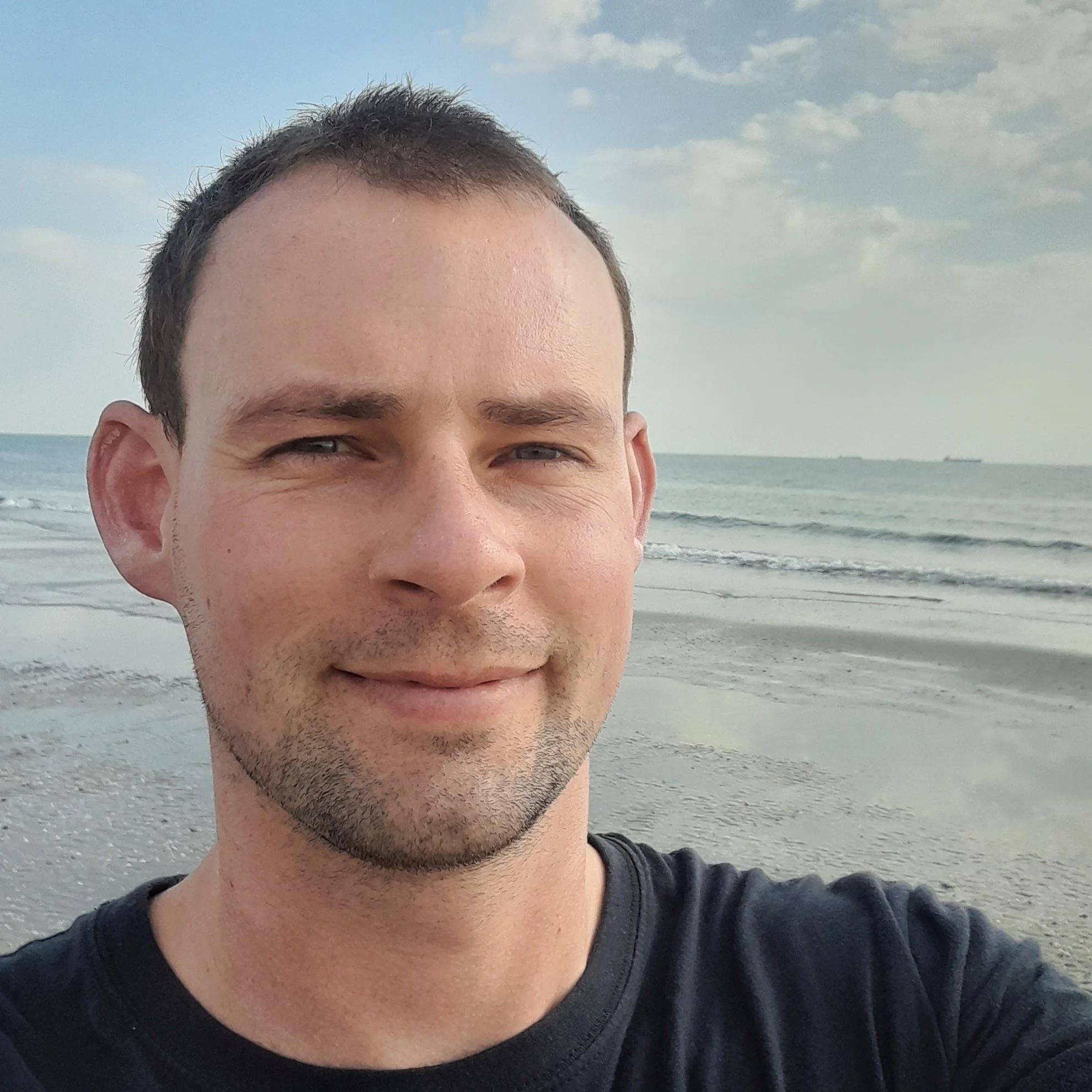
Ciarán O'Rourke is a poet from Dublin, Ireland. His second collection, Phantom Gang, was longlisted for the Dylan Thomas Prize in 2023, while his debut, The Buried Breath, was highly commended by the Forward Foundation in 2019. His third collection, Prophetstown, was published this year by The Irish Pages Press.
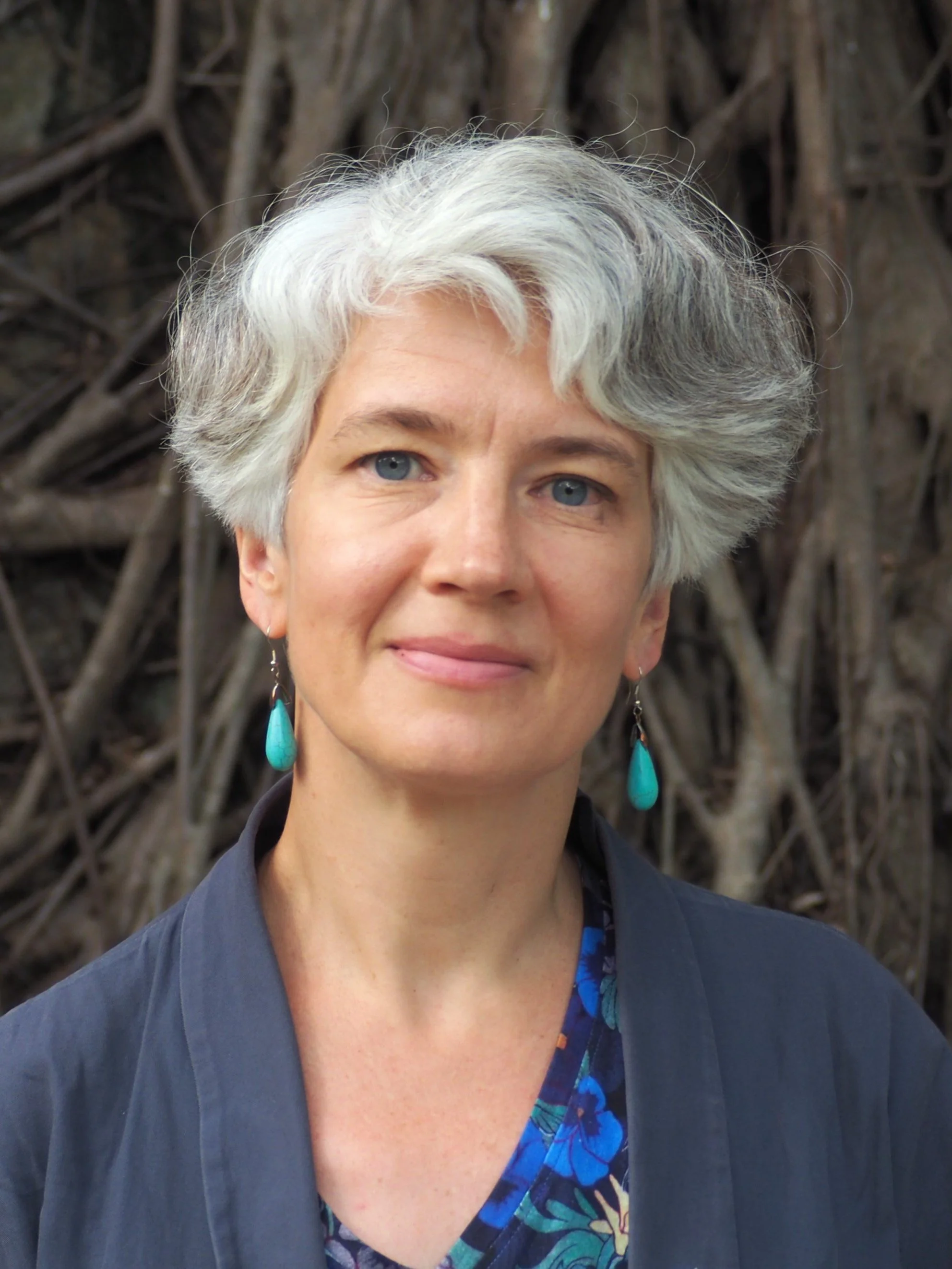
Krystyna Dąbrowska (b. 1979) is a Polish poet, essayist, and translator. She graduated with an MA degree from the Academy of Fine Arts in Warsaw in 2004. The author of seven poetry collections in Poland, most recently including "Nigdy nie myślałam, że upiekę chleb" (I Never Thought I'd Bake Bread), Dąbrowska has been translated into twenty languages, and full-length collections of her poems have appeared in English, German, Swedish, Italian, and Portuguese. In 2022, she was selected for the Iowa International Writing Program and appeared at the Associated Writing Programs conference in Philadelphia.
Winner of the prestigious Wisława Szymborska Prize, Kościelski Foundation Prize, and City of Warsaw Literary Award, Dąbrowska, according to critics, helps us perceive the unexpected and notice what is overlooked, including everyday people whose quiet sorrows and joys often slip by us. Tideline (Zephyr Press, 2022), her first collection in English, translated by Karen Kovacik, Mira Rosenthal, and Antonia Lloyd-Jones, was a finalist for the Derek Walcott Prize and longlisted for ALTA’s National Translation Award in Poetry. Mira Rosenthal, in her afterword to that collection, sums up the book like this: “These poems place us in one situation after the next that hover at the line between what is solid and what is unseen, what is concrete and what is abstract, bringing our awareness to both states simultaneously.” She compares Krystyna Dąbrowska to Wisława Szymborska, given their shared fondness for looking “at preconceived ideas from novel and amusing vantage points”— a practice that can lighten even the weightiest subjects.
Dąbrowska’s poem “Travel Agency,” translated by Antonia Lloyd-Jones, won a 2024 Pushcart Prize and is included in the anthology Pushcart Prize XLVIII: Best of the Small Presses 2024 Edition. Also a translator, Dąbrowska has recently brought Louise Glück’s Wild Iris into Polish (June, 2024), and her translations of Ararat and Winter Recipes from the Collective appeared in 2021 and 2022.
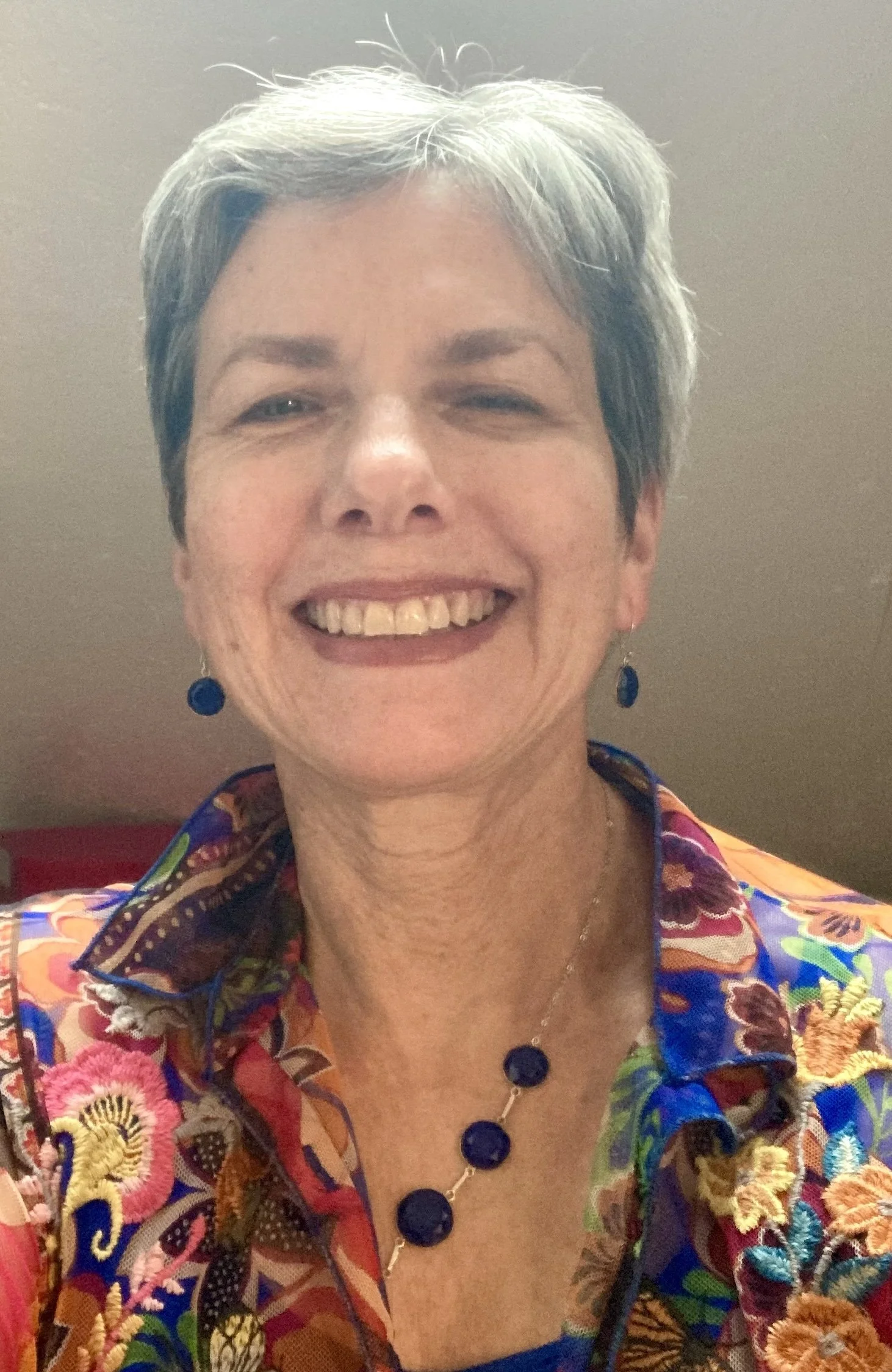
Karen Kovacik, a poet and translator of contemporary Polish poetry, is the recipient of a Fulbright Research Grant to Poland and two translation fellowships from the National Endowment for the Arts. Her translation of Jacek Dehnel’s Aperture (Zephyr Press, 2018) was a finalist for the 2019 PEN Award for Poetry in Translation, and her rendering of Agnieszka Kuciak’s Distant Lands: An Anthology of Poets Who Don’t Exist (White Pine, 2013) was long-listed for the 2014 National Translation Award. With Antonia Lloyd-Jones and Mira Rosenthal, she translated Krystyna Dąbrowska’s Tideline (Zephyr, 2022). Kovacik is also the editor of Scattering the Dark, an anthology of Polish women poets (White Pine, 2016), and the author of three collections of poetry, most recently, Portable City (Hanging Loose Press, 2025), Her poems and translations have appeared in such journals as American Poetry Review, Boston Review, Georgia Review, Granta, Poetry, Southern Review, and World Literature Today. A former Indiana Poet Laureate (2012-2014), she is Professor Emerita of English at Indiana University Indianapolis.